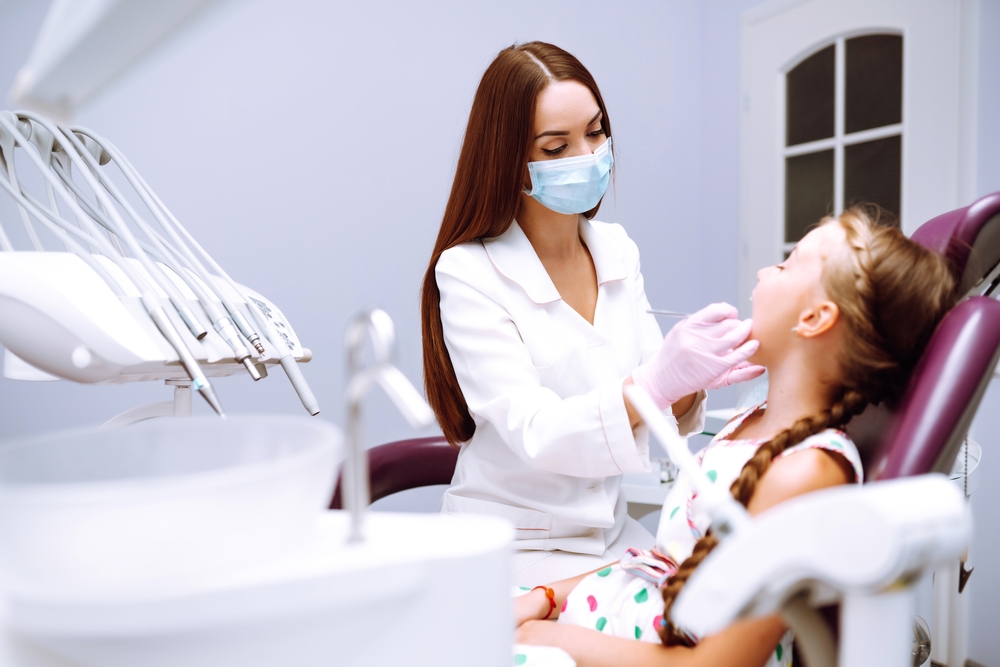
Orthodontic treatment is often associated with teenagers, but many alignment and jaw-related issues begin much earlier in childhood. Waiting until the teen years isn’t always the most effective approach. Early orthodontic treatment in Santa Clarita aims to recognize and handle problems that develop during this phase of life. It is common for parents to question whether or not to do early orthodontic treatment, or whether one should wait for all the permanent teeth to erupt.
Recognizing early orthodontics from teen treatment scenarios gives families the information they need to nurture healthy jaw growth, better bite and good outcomes later in life. Using early orthodontic care at the right time can help reduce treatment duration and risks in the future.
Understanding Early Orthodontic Care
To truly comprehend the worth of the intervention, one needs to understand what Early Orthodontic Treatmentis, along with its differences from teen orthodontics. Individuals typically get early orthodontic care between the ages of 6 and 9 for some. Usually, teens get treatment once most of the permanent teeth have erupted. Early orthodontic treatment helps in managing and guiding the growth of the jaw. Additionally, it corrects bite issues and creates space for permanent teeth.
Many parents choose to consult an Orthodontist in Santa Clarita during this stage to evaluate facial development and identify concerns before they worsen. Teen orthodontic treatment involves the use of braces or clear aligners to fix fully formed alignment issues. Early orthodontic treatment does not always mean early treatment. Most of the time, the orthodontist will monitor the growth and only intervene whenever it is necessary. By following this approach, more severe orthodontic issues can be prevented, and the overall oral health can be improved effectively during the adolescent tooth development stages.
Early Orthodontics vs. Teen Treatment: Key Differences Explained
What Early Interceptive Orthodontics Addresses
Early orthodontic care focuses on managing orthodontic issues while a child’s jaw and facial bones are still developing. Treatment options may include expanders, partial braces, or space maintainers that guide growth and alignment. Families seeking Early Orthodontics in Santa Clarita often find that early care reduces the need for extractions or extensive correction later.
How Teen Orthodontic Treatment Works
Teen treatment involves the use of an extensive orthodontic appliance aimed at straightening teeth and correcting the bite after most growth has taken place. The treatment will be effective; however, it will take time if jaw or spacing issues were not dealt with earlier.
Common Problems Treated Early
Early care can correct crossbites, severe crowding, protruding teeth, and jaw imbalances. Addressing these concerns early improves facial harmony, reduces the risk of tooth damage, and may help with speech or chewing difficulties.
The Importance of Timing
While not all children will require orthodontics at a younger age, an evaluation at this stage is important. More and more parents searching for early orthodontics near you express their interest in knowing if treatment is necessary now or observation is best.
Professional Evaluation Matters
A qualified Orthodontist near you can determine the most effective treatment timeline, ensuring care is necessary, efficient, and customised for each child’s growth pattern.
Why Early Orthodontic Care Can Make a Difference
Getting orthodontic treatments at an early age is beneficial both immediately and in the long run. If developing issues can be dealt with early on, treatment complexity and duration during adolescence may be reduced. Children often have their jaw function improved, bite aligned better, and face balanced. Getting early care can make it less likely that a person will need a tooth extraction or surgery later on. Early orthodontics make it easier to transition to more extensive treatment if necessary. This will lessen stress and help the children as they grow up.
Expert Insights and Clinical Recommendations
Orthodontic organisations recommend early evaluations to identify growth-related concerns before they become more severe. Research supports the effectiveness of interceptive orthodontics in guiding jaw development and improving alignment outcomes when applied at the right time. To ascertain whether early intervention might be advantageous with a patient, orthodontists regularly consult growth assessments. Treatment is conservative, has a purpose, and is customized to the child’s dental and facial development, not indiscriminate.
Final Thoughts: Taking the Next Step for Your Child’s Smile
The decision for early orthodontics vs. teen treatment depends on your child’s development and needs. This allows for better guidance in the earlier phase for optimal results.
At our orthodontic cs practice, Smile Republic, we provide personalised care designed to foster healthy growth and confident smiles. If your child can benefit from getting teeth straightening treatment at an early age, book an appointment to discuss options.
FAQs
When should a child have their first orthodontic evaluation?
Most orthodontists recommend an initial evaluation around age seven to assess jaw growth and tooth development.
Does early orthodontic care mean braces right away?
No. Early care may involve monitoring growth or using limited appliances rather than full braces.
Can early orthodontics prevent the need for teen treatment?
In some cases, early treatment reduces the severity of future issues, but some children may still need teen orthodontic care.
Is early orthodontic treatment only for severe problems?
Not at all. Many issues can benefit from early guidance to prevent worsening over time.