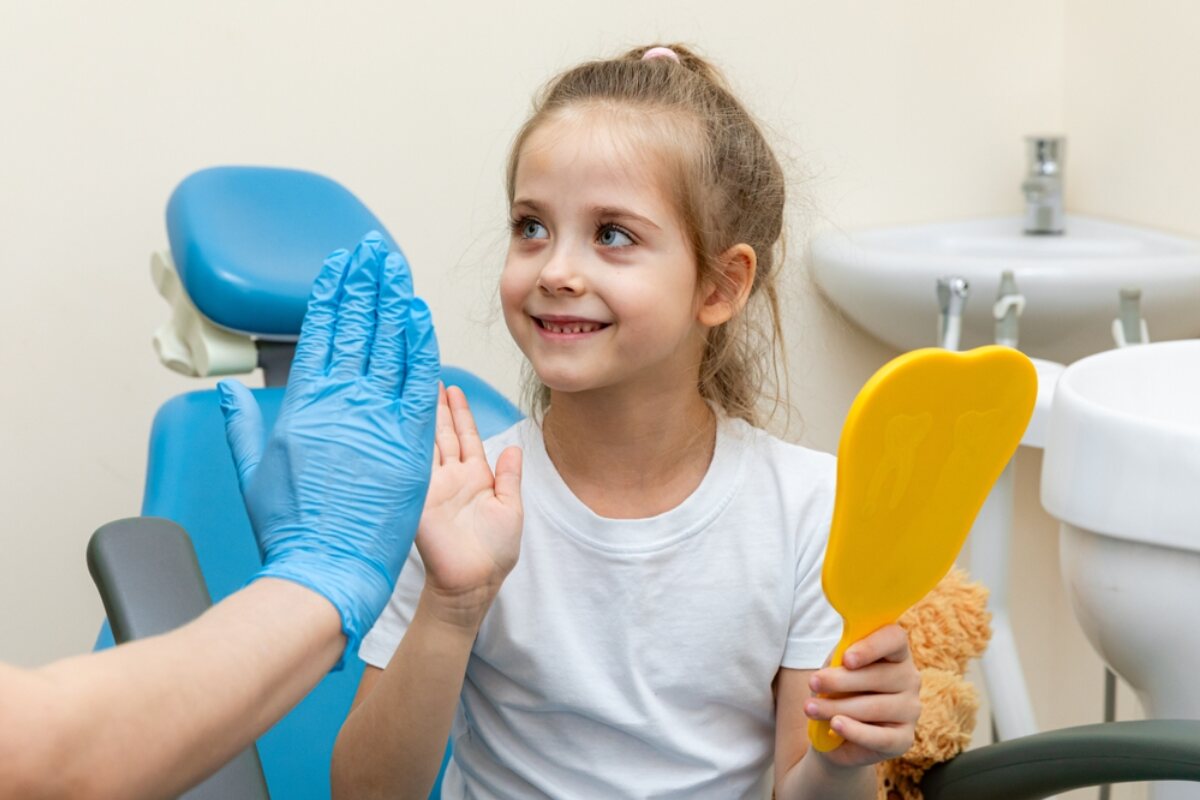
Seeing a child grow and develop a unique personality is a joy for every parent. Part of that growth involves a changing smile as baby teeth fall out and permanent ones arrive. An orthodontist in Santa Clarita often evaluates these changes early to ensure the jaw and teeth are moving in the right direction. This proactive approach, usually called Phase One treatment, focuses on guiding growth rather than just straightening crooked teeth later in life.
Defining Early Orthodontics
Many families wonder exactly what a specialist does during a young child’s visit. Most people recognise braces on teenagers, but early orthodontics in Santa Clarita involves treating children aged 7 to 9. At this age, the jaw is still growing and flexible, making it much easier to address structural issues such as a narrow palate or a protruding bite. An orthodontist uses this window of time to create enough space for future adult teeth to emerge without becoming trapped or crowded.
When Is The Right Time To Start?
The American Association of Orthodontists recommends that a child have their first evaluation by age 7. While a child might not need braces immediately, an early orthodonticcheckup allows a professional to monitor facial and jaw development. Starting at this age is strategic because the first permanent molars have usually erupted, providing a “map” of how the rest of the mouth will fit together.
Is Early Orthodontic Treatment Necessary?
Parents frequently ask is early orthodontic treatment necessary for every child. The answer depends on how a child’s mouth is growing. While some children can wait until their teenage years, others benefit significantly from early intervention. Here are several situations where starting early is vital:
- Crossbites: When upper teeth sit inside lower teeth, it can cause the jaw to grow unevenly.
- Severe Crowding: If there is no room for adult teeth, a specialist can widen the arch to make space.
- Protruding Teeth: Front teeth that protrude too far are more likely to chip or be injured during sports or play.
- Habit Correction: Issues caused by thumb sucking or tongue thrusting can be corrected before they permanently change the bone structure.
- Speech Issues: Proper tooth alignment helps children more clearly pronounce certain sounds.
Understanding the Comfort Level
Feeling nervous about a little discomfort is a common reason families delay booking a visit. A big question for many children is Does early orthodontic treatment hurt? Luckily, modern tools are made to be very gentle. Most early treatments use expanders or partial braces that apply light, steady pressure. While a child might feel a slight “tightness” for a few hours after a visit, real pain is rare. The goal of an orthodontist is to make the process as happy and stress-free as possible for young patients.
The Benefits of a Two-Phase Approach
Choosing a path that includes early orthodontics often leads to better long-term results. By fixing the foundation of the smile early, the second phase of treatment—usually full braces in middle school—becomes much shorter and simpler.
- Guided Jaw Growth: Corrects the width and length of the jaw while the child is still growing.
- Permanent Tooth Protection: Ensures adult teeth have a clear path to eruption, reducing the need to pull teeth later.
- Improved Appearance: Boosting a child’s self-esteem during their formative school years is an excellent side effect.
- Lower Costs Later: Solving a big problem now often prevents complex surgeries or extractions in the future.
What to Expect During the First Visit
When you visit an orthodontist near you for an initial checkup, the process is simple and diagnostic. The professional will take digital photos and, if needed, a panoramic X-ray to see what is happening beneath the gum line. They look for “extra” teeth, missing teeth, or teeth that are growing in sideways. If everything looks normal, the professional might suggest a “watch and wait” approach, checking in once a year to monitor progress.
Securing a Healthy Smile Future
Helping a child’s teeth stay healthy early on provides benefits that last a lifetime. Whether a child needs a small tool to keep space for new teeth or a guide to help their jaw grow correctly, specialist help is very important. Finding early orthodontics near you ensures that any tooth or jaw issues are fixed while a child is still growing. A straight and healthy bite is not just about looks; it is about how a child eats, speaks, and feels about themselves every day.
Reach a Higher Standard of Care
At Smile Republic Orthodontics, we specialize in creating a welcoming environment where young patients feel at home. Our team focuses on gentle, effective methods to guide your child’s smile toward perfection from the very beginning.
Schedule a appointment to see if your child could benefit from a proactive treatment plan.
Frequently Asked Questions
Does early orthodontic treatment hurt?
Most children find the process very easy. An orthodontist uses flexible materials that gently move teeth. Most kids describe the feeling as a mild pressure rather than pain.
Is early orthodontic treatment required if my child still has baby teeth?
Yes, because the goal of early orthodonticsis to prepare the jaw for the adult teeth still hidden under the gums. Addressing jaw width while baby teeth are present can prevent significant crowding later.
How long does Phase One treatment usually last?
Most early interventions last between nine and twelve months. After this period, the child usually wears a retainer at night and visits an orthodontist every six months for monitoring.
Will my child still need braces later?
In many cases, a second phase of braces is still needed after all permanent teeth have arrived. However, because of the work done during early orthodontics, the second phase is typically much faster and avoids the need for more invasive procedures.