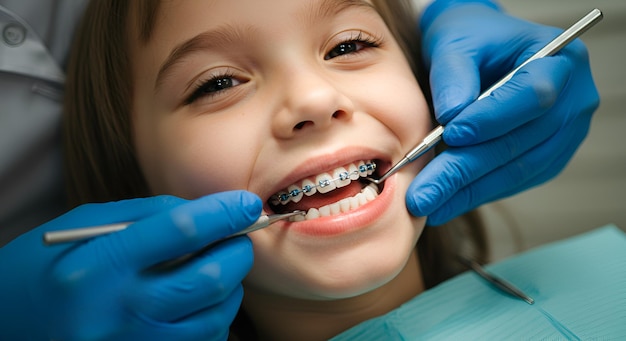
Age 7 is a special time when your child’s baby teeth are falling out, and adult teeth are growing in. This is the perfect moment to have an orthodontic evaluation. Early orthodontics in Santa Clarita can help catch problems early before they become bigger issues. Many parents think their child needs braces only when they are a teenager, but the truth is that age 7 is when an orthodontist near you can spot problems and plan the best treatment. Getting an evaluation at this age gives your child the best chance of having a healthy, beautiful smile for life.
What Is Happening in Your Child’s Mouth at Age 7?
At age 7, something amazing is happening inside your child’s mouth. Baby teeth start falling out, and permanent adult teeth begin pushing through. This is called the mixed dentition stage because your child has both baby teeth and adult teeth at the same time. During this time, an orthodontist in Santa Clarita can see how the adult teeth are coming in and whether they will have enough space to grow straight and healthy.
The shape of your child’s jaw is still growing and changing at age 7. Adult teeth are just starting their journey into the mouth. An orthodontist can predict how these teeth will line up and whether they will fit properly. This is the time when early orthodontics near you can make the biggest difference because your child’s bones are still soft and easy to guide into better positions.
Why Early Detection Matters So Much
Think of it like planting a garden. If you plan and prepare the soil, your plants will grow beautifully. But if you wait until everything is tangled and crowded, it is much harder to fix. The same is true with teeth. Early orthodontics in Santa Clarita helps guide your child’s teeth and jaws while they are still growing and developing.
Problems that seem small at age 7 can become big problems by age 12. For example, if a child does not have enough space for adult teeth, they might come in crooked or twisted. If the upper and lower jaws are not aligned properly, it can affect how your child chews, speaks, and even breathes. An early evaluation helps catch these problems before they get worse.
Common Problems an Orthodontist Looks for at Age 7
An orthodontist checks several things during an evaluation. They look at how your child’s teeth are coming in. They check whether there is enough space for all the adult teeth. They examine how the upper and lower jaws fit together. They look for problems like an overbite, where the top teeth stick out too far. They check for an underbite, where the bottom teeth stick out past the top teeth. They also look for crossbites, where the teeth do not come together properly on one side.
Some children have thumb-sucking habits or tongue-thrusting habits that can affect how teeth develop. An orthodontist can spot these problems and help your child break these habits before they cause lasting damage to tooth alignment and jaw development.
What Happens During an Orthodontic Evaluation
During the evaluation, the orthodontist will look inside your child’s mouth carefully. They might take X-rays to see how the permanent teeth are positioned under the gums. They might take photographs to track how your child’s teeth and smile change over time. The orthodontist will ask your child questions about their dental habits and health. They will ask whether your child has any problems chewing or speaking.
Most importantly, the orthodontist will talk to you and explain what they find. They will explain whether your child needs treatment now or whether they should wait until more teeth come in. If treatment is needed, they will discuss what options are available. Early treatment might involve special appliances that guide teeth and jaw growth. Some children might wear a retainer to hold teeth in the right position while they grow.
The Benefits of Early Orthodontic Treatment
Early orthodontic treatment can prevent problems from getting worse. It can reduce the chance that your child will need braces later. It can guide jaw growth so teeth develop with better spacing. It can improve your child’s ability to chew properly. It can help your child’s speech develop correctly. Most importantly, early treatment often means shorter treatment time with braces as a teenager.
Giving Your Child the Gift of a Beautiful, Healthy Smile
At Smile Republic Ortho, our caring team specializes in treating children and making them feel comfortable and happy during their visits. We understand that children can feel nervous, and we make sure every appointment is fun and positive. We have experience with early orthodontics and know how to guide your child’s smile development perfectly. Your child deserves the best start for their smile. Contact us today to schedule your child’s evaluation and take the first step toward their most beautiful, confident smile. Let us help your child smile brightly for years to come.
Frequently Asked Questions
Q: What will the orthodontist do during my child’s first evaluation?
A: The orthodontist will check your kid’s teeth and jaws and take X-rays and photos. Also, they will ask habit and health questions. Finally, they will explain what they find and why or why not treatment is needed now or later.
Q: Will my child need braces at age 7 if problems are found?
A: Not always—sometimes the orthodontist recommends waiting until more teeth come in, or they might suggest early treatment with special guides or retainers to help teeth grow straight.
Q: How much does an orthodontic evaluation cost?
A: Most orthodontists provide low-cost or even free evaluations, and many insurance plans pay a portion. So, call your orthodontist’s office and ask about pricing and insurance.
Q: Can my child avoid braces later if treated early?
A: Absolutely, if treatment is undertaken early enough, there is a chance that braces will not be required in the teenage years. Early treatment also guides the development of the teeth/jaw while children are growing and developing.