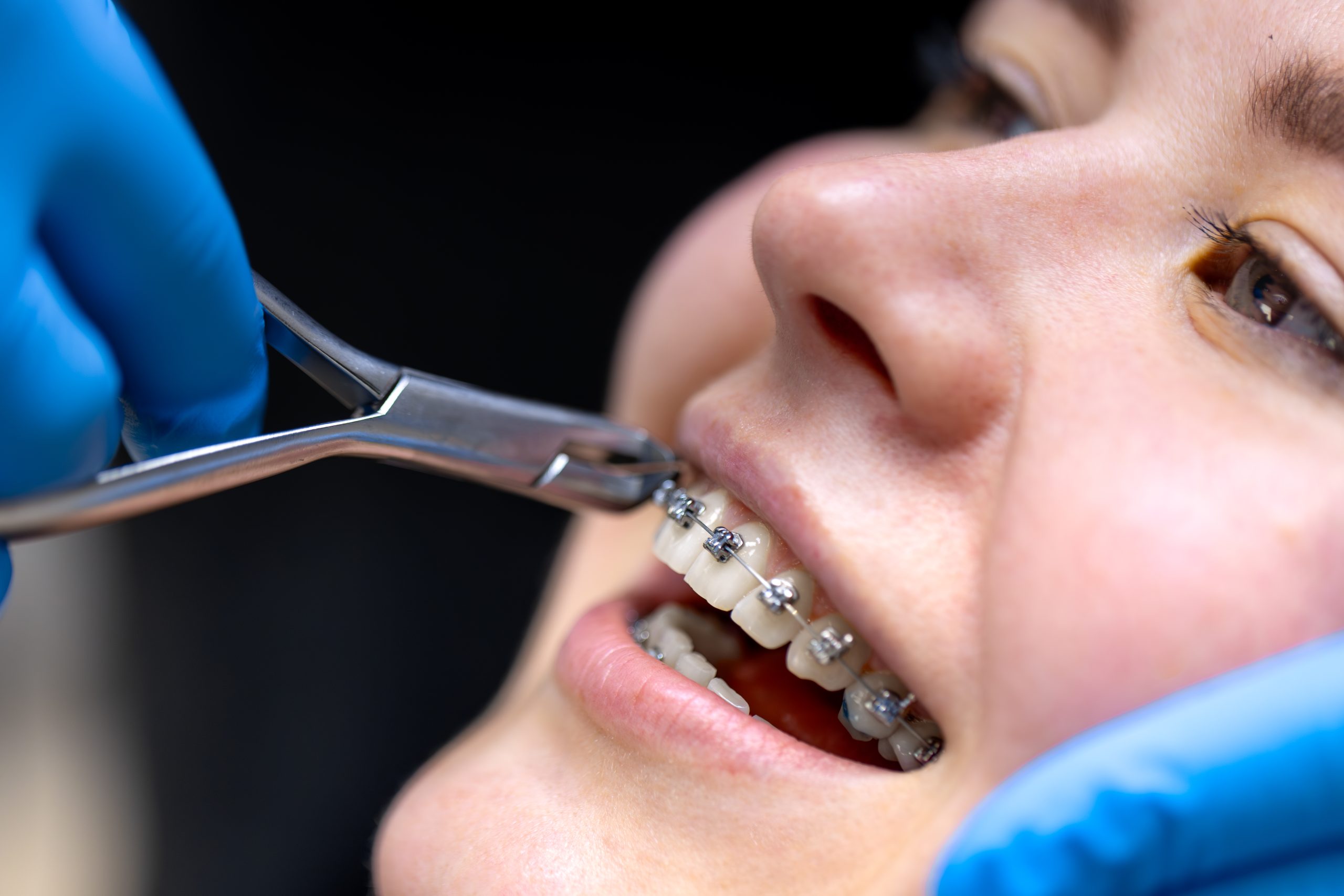
Braces are not only used to make crooked teeth look straighter. They can also help improve the way your upper and lower teeth come together, make some areas easier to clean, and address certain alignment or bite concerns. Braces in Santa Clarita may be an option if you have crowded teeth, noticeable gaps, teeth that overlap, or teeth that sit too far forward or backward. You may also notice difficulty chewing or discomfort caused by the way your teeth meet. However, these signs do not always mean that braces are necessary.
A dental or orthodontic assessment can help identify the cause of your concerns and determine whether braces or another treatment option may be suitable for your smile.
What Are the Signs You May Need Braces?
Some signs can suggest that your teeth or bite may benefit from orthodontic treatment. These can include:
- Teeth that overlap or appear crowded
- Noticeable gaps between teeth
- Teeth that stick out
- Difficulty biting or chewing comfortably
- Upper and lower teeth that do not meet evenly
- Teeth that are difficult to clean because of their position
- Frequent biting of the cheeks or inside of the mouth
- Jaw discomfort linked to the way your teeth meet
These signs do not confirm that braces are needed, but they can be a reason to schedule an orthodontic assessment.
Can Crowded Teeth Mean You Need Braces?
Crowding happens when there is not enough room for teeth to sit properly in the dental arch. Teeth may overlap, twist, or sit behind or in front of other teeth.
Crowded teeth can make brushing and flossing harder because some areas are difficult to reach. An orthodontic check can show how crowded your teeth are and whether treatment may help straighten them.
What If You Have Gaps Between Your Teeth?
Gaps can occur when teeth are naturally spaced apart, when a tooth is missing, or because of the way the teeth and jaw have developed.
Small spaces may not require treatment. Larger or unwanted gaps may sometimes be closed with orthodontic treatment. The reason for the space matters when deciding whether braces are appropriate.
How Can Your Bite Show That Braces May Help?
Your bite describes how your upper and lower teeth come together. An uneven bite can affect how you chew and may place extra pressure on certain teeth.
An orthodontist in Santa Clarita may look for concerns such as:
- Upper teeth sitting too far over the lower teeth.
- Lower teeth sitting in front of the upper teeth.
- Teeth meeting unevenly
- Open spaces between upper and lower teeth when biting
- Teeth that do not fit together comfortably
The goal is not simply to create straighter teeth but to improve alignment where treatment is appropriate.
Are Braces the Only Option?
No. Braces are one form of orthodontic treatment. Depending on your dental needs, clear aligners may also be considered.
The most suitable option depends on the type and amount of tooth movement required. Some concerns may be better managed with braces near you, while others may be suitable for aligners.
What Happens During a Braces Assessment?
A braces assessment by an orthodontist near youusually involves examining your teeth and bite. Photos, X-rays, scans, or other records may be recommended when needed.
You may learn about:
- Whether orthodontic treatment is recommended
- Which teeth need to move
- The type of treatment that may be suitable
- The expected treatment stages
- How long treatment may take
- How to care for your teeth during treatment
Having this information can help you understand your options before making a decision.
Can Adults Need Braces?
Yes. Orthodontic treatment is not limited to children or teenagers. Adults may seek treatment for crowded teeth, gaps, bite concerns, or changes that have developed over time.
Braces in Santa Clarita can be considered for adults when the teeth and gums are healthy enough for treatment, and the planned movement is suitable.
Find a Clear Path to a More Balanced Smile!
Changes in your bite or tooth position can affect how your teeth come together and may make daily cleaning more difficult. An orthodontic assessment can help identify your alignment concerns and explain whether treatment could be helpful for you.
Book an appointment with Smile Republic Ortho to have your teeth and bite assessed, explore your orthodontic options, and discuss a treatment plan suited to your needs.
FAQs
Can braces fix gaps between teeth?
Braces can close certain gaps by gradually moving teeth into a better position. The cause and size of the gap help determine whether orthodontic treatment is appropriate.
Can an orthodontist tell if I need braces?
Yes. An orthodontist near you can examine your teeth and bite and explain whether braces or another treatment option may be suitable.
Is it too late to get braces as an adult?
No. Adults can receive orthodontic treatment when their teeth and gums are suitable. Treatment options depend on your individual dental condition.
How do I know if I need braces or clear aligners?
The best choice depends on the type of tooth movement required, your bite, oral health, and treatment goals. An orthodontic assessment can help compare the available options.